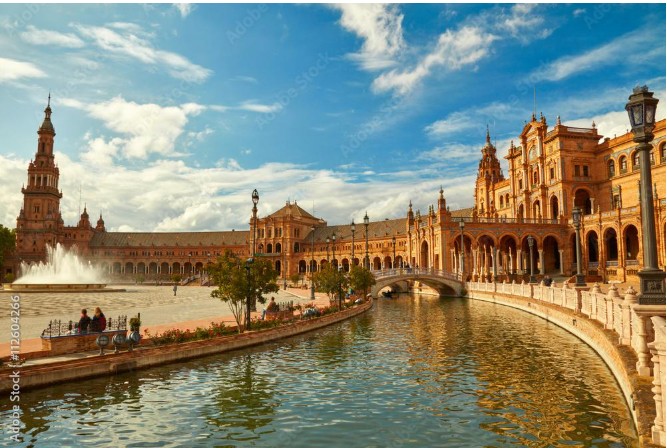
(or Seville) is the capital of Andalusia, a region in southern Spain renowned for its rich history, vibrant culture, and stunning natural beauty. The city’s ecological diversity is as striking as its cultural heritage, with a combination of urban environments, agricultural land, river systems, and nearby natural parks. Sevilla is located on the banks of the Guadalquivir River in the Iberian Peninsula. The city lies in a Mediterranean climate zone, which is characterized by hot, dry summers and mild, wet winters. This climate supports a variety of plant and animal life and contributes to the rich biodiversity of the area.
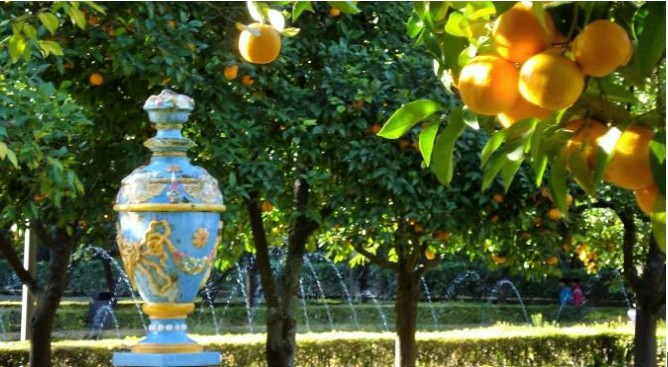
Sevilla’s Mediterranean climate plays a significant role in shaping its vegetation throughout the year. The hot, dry summers and mild, wet winters create seasonal changes that directly impact the types of plants that flourish and the rhythms of their blooming. Here’s an overview of how the vegetation in Seville changes with the seasons: Spring in Seville is a time of rebirth and renewal for the city’s plants. As temperatures rise and the rain becomes more frequent, the landscape comes alive with colorful blooms and lush greenery.
Key Vegetation Changes:
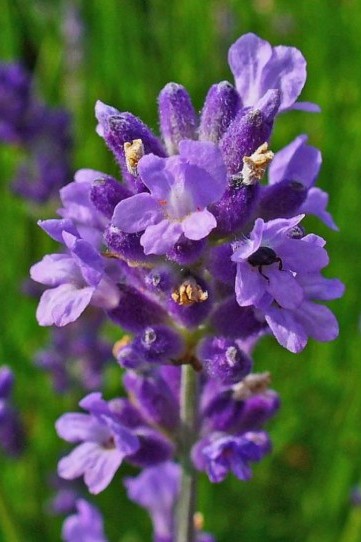
In Seville, the shrubs and herbs play an essential role in the local ecosystems and urban landscape. These plants have adapted to Seville’s Mediterranean climate, thriving in dry, hot summers and mild, wet winters. Many are aromatic and drought-tolerant, making them ideal for gardens, public spaces, and countryside landscapes. Let’s dive into some of the most notable shrubs and herbs found in Seville!
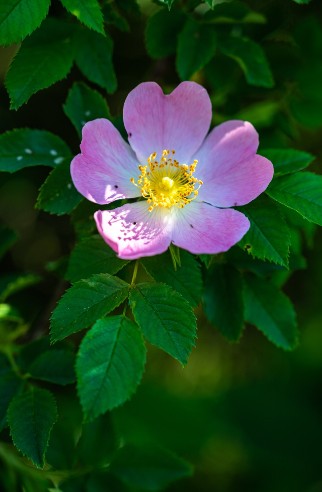
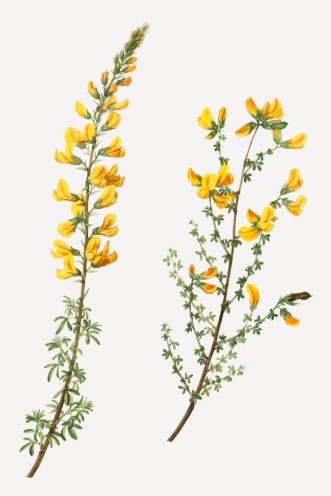
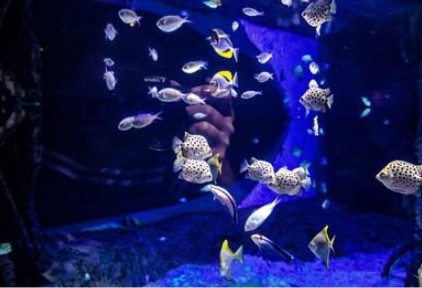
While Seville is located inland, it is closely tied to the Guadalquivir River, which flows into the Atlantic Ocean and creates a unique estuarine environment. This proximity to the river delta and the Atlantic coastline provides Seville with access to a variety of marine and coastal plant species, particularly in nearby natural reserves and wetlands like Doñana National Park and the Guadalquivir Estuary.
The marine plants in Seville are primarily found in areas where saltwater meets freshwater, such as salt marshes, estuaries, and riverbanks. These areas support a range of salt-tolerant plants, known as halophytes, and some aquatic plants that thrive in brackish or saline environments.
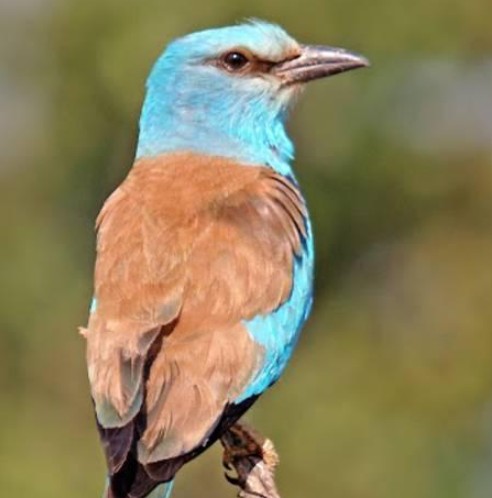
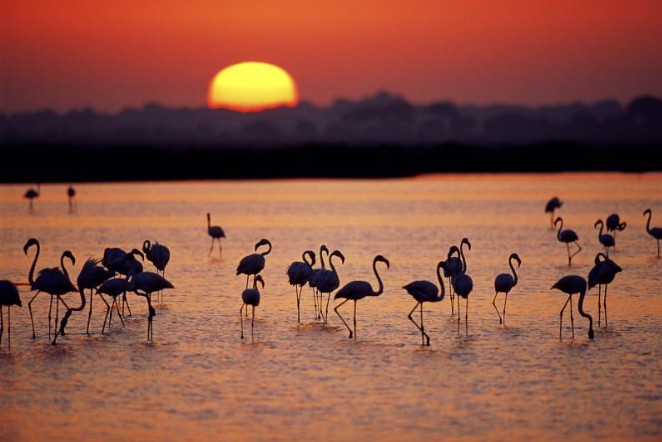
Seville, with its diverse ecosystems—ranging from the Guadalquivir River and wetlands to forests and mountainous regions—offers an incredible variety of birdlife. This region is a major hotspot for both migratory birds and resident species, making it a paradise for birdwatchers. The Doñana National Park, Sierra de Grazalema,and other natural reserves near Seville attract an array of species, from majestic eagles to colorful passerines and migratory waterfowl. Seville and its surrounding regions are a birdwatching paradise. From the wetlands of Doñana National Park to the mountainous landscapes of Sierra de Grazalema, nature enthusiasts can spot an array of iconic species—ranging from majestic eagles and vultures to beautiful songbirds and migratory waders.
For birdwatchers, Doñana remains a crown jewel with its importance to migratory birds and endangered species like the Spanish imperial eagle and Iberian lynx. Whether you are an experienced birder or a casual nature enthusiast, Seville offers opportunities to explore the world of birds in spectacular habitats.
Seville and its surrounding regions, with their diverse landscapes of forests, wetlands, mountain ranges, and river ecosystems, are home to a variety of mammalian species. From small rodents and insectivores to large predators and herbivores, the region’s mammals are an integral part of its natural heritage. The most famous mammal in the area is the Iberian lynx, but Seville is also home to a rich diversity of other species that roam through its natural parks, nature reserves, and even within the urban areas.
is one of the most biodiverse ecosystems in Europe and offers critical habitats for many species of mammals. From large predators to small mammals that live in its wetlands, forests, and scrublands, the park is an essential area for wildlife conservation. The Sierra de Grazalema offers a rich diversity of mammalian species, from mountain-dwelling animals to forest inhabitants. The park’s karst landscapes, rocky cliffs, and dense forests provide a variety of habitats. Seville itself, being a large urban center, is home to several mammals that have adapted to living in or around human environments. Rats, mice, and squirrels are common, but there are also foxes and wild boars that occasionally make their way into the city’s parks and outskirts.
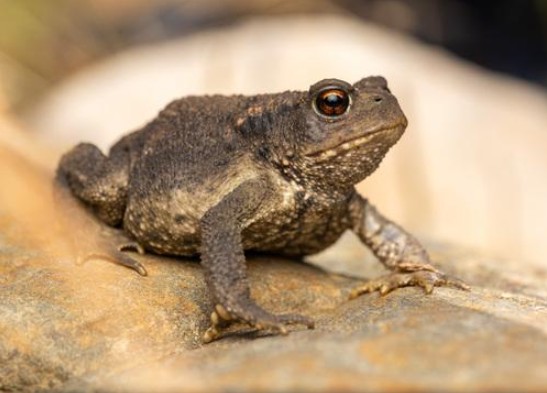
The region around Seville, with its diverse landscapes ranging from wetlands and forests to mountainous terrain, is home to a wide array of reptiles and amphibians. The mix of Mediterranean, sub-Mediterranean, and Atlantic climates provides a perfect environment for these cold-blooded creatures. From poisonous frogs and venomous snakes to endemic lizards and vibrant amphibians, Seville and its surrounding natural areas offer incredible biodiversity for wildlife enthusiasts. Reptiles in the Seville area can be found across a range of habitats—from the scrublands and woodlands of Doñana National Park to the rocky hills of the Sierra de Grazalema. These species play an essential role in their ecosystems, keeping insect populations in check and forming an important part of the food web. Amphibians in the Seville region thrive in wetlands, riverbanks, and marshes, especially in spring and autumn, when rain creates temporary puddles and ponds. Many of these species are especially active after rainfall, making the Doñana National Park and Sierra de Grazalema prime habitats.
The reptiles and amphibians of Seville and its surrounding natural areas offer a fascinating glimpse into the world of cold-blooded creatures. Whether you’re exploring the wetlands of Doñana National Park, the forests of the Sierra de Grazalema, or the urban parks of Seville itself, you’ll encounter a variety of snakes, lizards, toads, and newts. The region is home to a wealth of endemic species, many of which are crucial to maintaining the ecological balance.
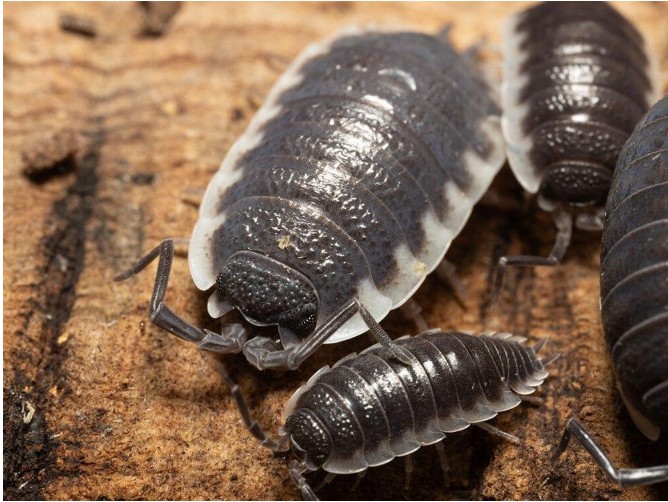
The region of Seville, with its Mediterranean climate and diverse ecosystems, is home to a wide variety of insect species. These insects play crucial roles in pollination, decomposition, and maintaining the balance of the food web. From colorful butterflies and nocturnal moths to beetles and grasshoppers, the abundance of insects in Seville makes it a vibrant area for biodiversity. Seville’s landscapes, from lush forests to arid scrublands, host a vibrant diversity of insects that contribute to the region’s ecological balance. The butterflies brighten up fields, beetles break down organic matter, and grasshoppers and cicadas provide the soundtrack to Seville’s summer months. Whether you’re an entomologist or a casual nature lover, Seville is an insect paradise, teeming with fascinating species and offering countless opportunities for observation.
The biodiversity of Seville, with its diverse habitats ranging from wetlands and forests to scrublands and riverbanks, faces several environmental pressures that are impacting its native fauna. While the region remains rich in species, it is increasingly vulnerable to a range of human-induced threats and climate-related changes. These challenges threaten the survival of many species, some of which are already classified as endangered or vulnerable.
Conserving the biodiversity of Seville and its surrounding natural regions is crucial for maintaining the balance of ecosystems, ensuring the survival of native species, and protecting the environment for future generations. In recent years, a variety of conservation efforts have been implemented at the local, national, and international levels to address the threats to the region’s wildlife and habitats. These efforts are focused on protecting endangered species, restoring ecosystems, preventing habitat destruction, and raising public awareness.

is an increasingly popular approach to conservation, blending the goals of sustainable tourism with the preservation of biodiversity and natural landscapes. In Seville and its surrounding regions, ecotourism has become a vital tool for fostering environmental awareness, generating funding for conservation, and providing local communities with an economic incentive to protect their natural heritage.
By promoting responsible travel to natural areas, ecotourism supports the protection of ecosystems, the conservation of endangered species, and the promotion of sustainable livelihoods for local communities. In Seville, a region rich in biodiversity and protected areas, ecotourism has shown its potential to bridge the gap between economic development and environmental conservation.
Seville and its surrounding regions, located in the heart of southern Spain, are rich in biodiversity, offering a remarkable variety of fauna (animals) and flora (plants) across diverse landscapes, from wetlands and forests to mountain ranges and scrublands. These habitats host a mix of endemic species, migratory birds, and unique plant communities, making the region an ecological treasure and an essential part of Europe’s natural heritage.
However, this wealth of life faces a series of growing threats due to human activities and climate change. Nonetheless, conservation efforts—from habitat restoration to targeted species protection—are helping to preserve and restore the region’s natural landscapes and the species that rely on them.


Seville is home to a diverse range of ecosystems, each supporting a unique array of species:
Despite its rich biodiversity, Seville’s wildlife faces numerous threats:
In response to these challenges, several successful conservation initiatives are taking place:
The active participation of local communities in conservation is a key factor in the region’s efforts to protect its biodiversity. By promoting sustainable livelihoods, such as eco-tourism, organic farming, and forest management, local people are directly involved in preserving their natural heritage. Educating communities about the economic benefits of conservation fosters greater community involvement and ensures long-term support for wildlife protection.
The future of Seville’s flora and fauna depends on integrating conservation with sustainable development practices. Key actions that need to be taken include:
Seville’s floral and faunal diversity is both a gift and a responsibility. It holds immense ecological value, providing habitats for species that are integral to the health of the wider European landscape. However, the region’s biodiversity faces numerous pressures, and without continued efforts in conservation, habitat restoration, and community engagement, these treasures may be lost.
Through collaboration between governments, conservation organizations, local communities, and visitors, Seville can continue to safeguard its natural heritage while promoting sustainable development and responsible tourism. In doing so, it can serve as a model for other regions striving to protect the delicate balance between nature and human activity.